With the winter season in full swing, your child is at a greater risk of getting sick. But, that pesky cold could be a sign of Respiratory Syncytial Virus—better known as RSV.
Believe it or not, most children will get an RSV infection by the time they reach 2 years old. Babies with the virus will typically experience cold-like symptoms and recover without any issues, but it can lead to severe illnesses like Bronchiolitis and Pneumonia.
WHO’S AT RISK?
According to the CDC, an estimated 57,000 children under the age of 5 are hospitalized in the United States each year due to an RSV infection. Children at a higher risk of severe RSV include:
- Premature/low birth weight infants
- Infants under 6 months old
- Children with chronic lung/heart diseases
- Children with weakened immune systems
- Children with siblings or who are around other children in a daycare setting
SYMPTOMS OF RSV
Symptoms of RSV are very similar to those of a bad cold and typically last 1-2 weeks. You may notice your child has a runny nose, loss of appetite, cough, or fever early on. If you notice any of the following symptoms though, be sure to call your pediatrician:
- Coughing that doesn’t stop/produces colored mucus
- Difficulty breathing
- Irritability
- Chest sinks in while breathing
- Mouth/fingernails have a blue color to them
HOW TO PREVENT RSV
RSV is very contagious and can be easily spread. Here’s what you can do to help prevent your child from getting the virus.
- Wash your hands!
- Avoid close contact with people who are sick
- Don’t touch your face
- Cover your coughs/sneezes
- Disinfect regularly
TREATING RSV
Since RSV is similar to a cold, you can use some normal home remedies to help your child if they have a mild case until the virus passes. These include:
- Clearing mucus from your baby’s nose and mouth with a bulb syringe to help make breathing and eating easier.
- Keeping them hydrated. If you have a baby under 6 months old, try feeding them as much as
possible to avoid dehydration. - Using a humidifier to break up mucus and make breathing easier
- Giving them acetaminophen or ibuprofen to help with fevers if they’re older than 6 months. Be
sure to talk to your doctor before giving them acetaminophen if they’ve never had it before.
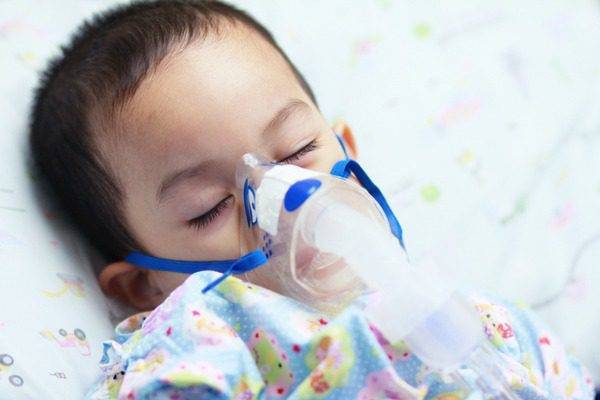
In the rare case that your child’s RSV requires them to stay in the hospital, they may receive oxygen to help with breathing or an IV for fluids. In most cases, your child should be good to go home within 2-3 days.