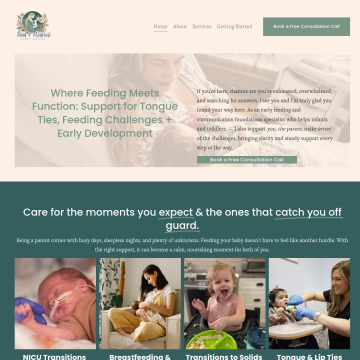

Feed and Flourish Therapy Services provides specialized speech, feeding, and lactation support for infants, toddlers, and young children. We take a whole body, whole child approach to helping build safe, functional, and positive feeding and communication skills.
Our services include:
Infant Feeding Therapy
Support for breast and bottle feeding challenges, including difficulty latching, inefficient milk transfer, coughing or choking during feeds, prolonged or stressful feedings, oral motor difficulties, tongue and lip tie concerns, reflux-related feeding challenges, bottle refusal, and transitioning between breast and bottle. We also help families with positioning, pacing, bottle selection, oral motor development, and improving overall feeding comfort and coordination.
Lactation & Breastfeeding Support
Feeding support for breastfeeding families experiencing painful latch, nipple compression, shallow latch, poor milk transfer, frequent pulling on and off the breast, feeding fatigue, oral tension, or concerns related to tongue and lip function. Our goal is to support both the infant’s feeding skills and the parent’s feeding goals while collaborating with other providers when needed.
NICU & Medically Complex Infant Support
Specialized feeding support for premature infants, NICU graduates, and babies with complex feeding histories. Therapy may address development of suck-swallow-breathe coordination, feeding endurance, bottle and breastfeeding skills, oral aversion, and transitioning from hospital feeding plans to home. We also support infants and families working toward increased oral intake and, when medically appropriate, gradual weaning from feeding tubes in collaboration with the child’s medical and nutrition team.
Starting Solids & Pediatric Feeding Therapy
Guidance for families beginning solids as well as support for children experiencing difficulty progressing through textures, chewing, gagging, food refusal, limited food variety, oral motor delays, or stressful mealtimes. Therapy focuses on building developmentally appropriate feeding skills while creating positive and responsive mealtime experiences.